
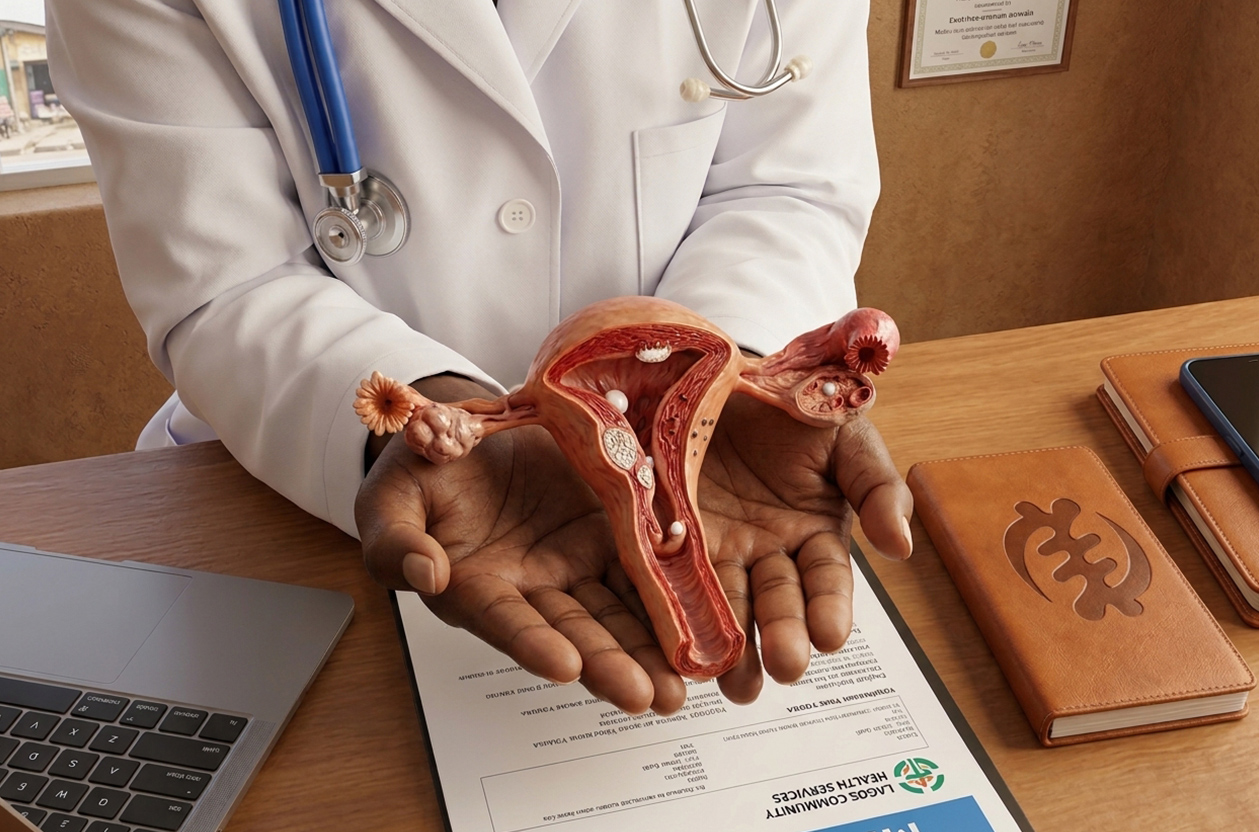
Urogynaecology
Overview
At a glance
- Urogynaecology is the care of women with pelvic floor problems, including bladder control issues and prolapse
- These conditions are common, they are not something to be embarrassed about, and they can be treated
- Symptoms include leaking urine, a frequent or urgent need to urinate, and a bulge or heaviness in the vagina
- Many women improve with simple measures such as pelvic floor exercises and lifestyle changes
- Medicines, devices and surgery are available when needed
What is urogynaecology?
Which conditions do we treat?Which conditions do we treat?
- Overactive bladder
- Urinary incontinence
- Faecal incontinence
- Pelvic organ prolapse
- Uterine prolapse
- Prolapse after hysterectomy
- Vaginal fistulas
- Urinary tract infections (UTIs)
- Differences in the structure of the reproductive tract
What are the symptoms?
- Heaviness, pulling or fullness in the vagina
- A bulge coming from the vagina
- Discomfort or straining during bowel movements
- Difficulty emptying your bladder completely
- Problems passing urine
- An urgent or frequent need to urinate
- Frequent UTIs
- Leaking urine, for example when you cough, sneeze or exercise, or when you cannot reach the toilet in time
What causes pelvic floor problems?
- Pregnancy and vaginal childbirth
- Menopause and falling oestrogen levels
- Getting older
- Long-term coughing, constipation or straining
- Being overweight
- Heavy lifting
- Previous pelvic surgery, including hysterectomy
What should I expect during my appointment?
- Lifestyle changes
- Pelvic floor exercises and physiotherapy
- Medicines, including local oestrogen treatment where suitable
- Supportive devices, such as a pessary, to support prolapsed organs
- Minor procedures or surgery where appropriate
Common questions
Is leaking urine normal after childbirth?
It is common, but it is not something you have to live with. Pelvic floor exercises and other treatments can often help.
Will I need surgery for prolapse?
Not always. Many women manage well with pelvic floor exercises, lifestyle changes or a pessary. Surgery is considered when other options are not enough, or if you prefer it.
Are pelvic floor exercises effective?
Yes, when done correctly and regularly. We can teach you how, and refer you to a pelvic floor physiotherapist if needed.
When should I see a doctor urgently?
Please seek prompt care if you cannot pass urine, have blood in your urine, fever or back pain with urinary symptoms, or if a prolapse becomes painful or ulcerated.
Ready to get help?
Do not live with uncomfortable or embarrassing urinary or gynaecological problems when help is within reach. Schedule an appointment with Minerva Women's Healthcare online or by calling our office. It takes about a minute, and no account is needed.
