• Mon – Fri: 8 am – 5 pm | Sat & Sun: Closed
Our services

Pelvic pain

Pelvic pain

Overview

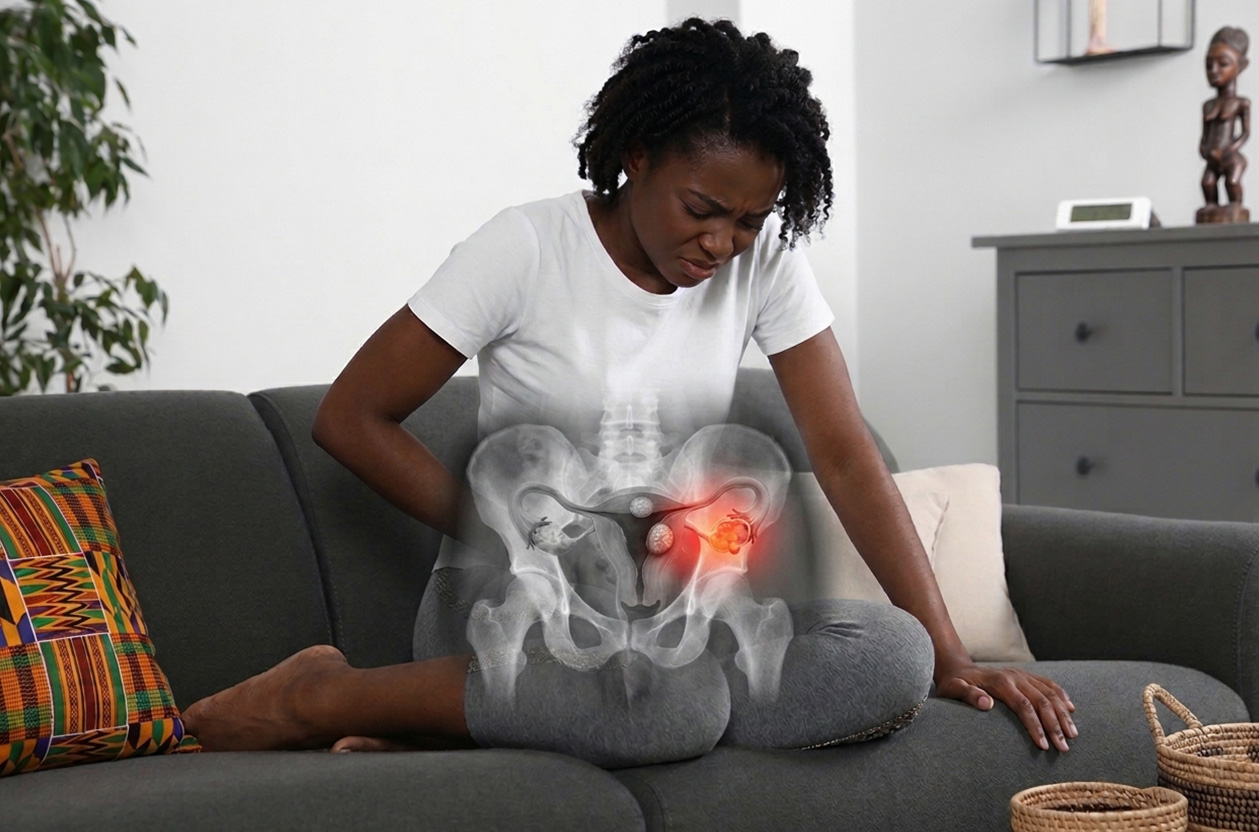
Finding the cause of your pain and the right path to relief. Pelvic pain can be hard to understand because there are many possible causes. You may feel a dull ache or pressure that comes and goes, discomfort that lasts for weeks or months, painful periods, pain during sex, or sudden, severe pain. Some pelvic discomfort is related to normal changes during your menstrual cycle, but ongoing or significant pain deserves attention.
At Minerva Women's Healthcare, our specialist gynaecology team evaluates and treats pelvic pain in women. Because pelvic pain can come from the reproductive system, bladder, pelvic floor or other nearby organs, finding the underlying cause is the first step towards relief. If your pain is persistent, worsening or interfering with daily life, call our office or request an appointment online today.

At a glance

  • Pelvic pain is discomfort in the lower abdomen and pelvis. It can be dull, sharp, cramping, burning or a feeling of pressure
  • It can have many causes, including conditions of the reproductive system, bladder, bowel or muscles
  • Pain that is persistent, recurring, worsening or affecting your daily life needs evaluation
  • Treatment depends on the cause, and relief is often possible
  • Sudden or severe pain can be an emergency. Seek urgent care straight away

What causes pelvic pain in women?

Pelvic pain can feel different from one woman to another. Some women have aching, cramping, pressure or heaviness, while others describe sharp, stabbing or burning pain. It may be temporary and linked to your cycle or ovulation. When it becomes persistent, severe or recurrent, or begins to affect your quality of life, there may be an underlying condition. Possible causes include:
  • Endometriosis
  • Uterine fibroids
  • Ovarian cysts
  • Pelvic inflammatory disease (PID)
  • Pelvic adhesions or scar tissue
  • Interstitial cystitis or bladder pain syndrome
  • Urinary tract infections (UTIs)
  • Sexually transmitted infections (STIs)
  • Menstrual cramps
  • Ectopic pregnancy
  • Pelvic floor disorders
  • Growths or tumours of the reproductive organs
Not all pelvic pain begins in the reproductive system. Conditions of the bladder, bowel, muscles or other structures in the abdomen and pelvis can cause similar symptoms. Irritable bowel syndrome (IBS), appendicitis and musculoskeletal problems are a few examples. Working out where your pain comes from is key to choosing the right treatment.

What does pelvic pain feel like?

Pelvic pain does not always seem obvious or severe. Depending on the cause, you may notice:
  • A dull or persistent ache in the pelvis or lower abdomen
  • Sharp or stabbing pain
  • Pelvic pressure or heaviness
  • Painful menstrual cramps
  • Pain during or after sex
  • Pain when passing urine or opening your bowels
  • Pain that comes and goes through your cycle
  • Lower back pain with pelvic discomfort
  • Pain lasting several weeks or months
Pay attention to when the pain happens and whether it is linked to your period, sex, urination, bowel movements, exercise or other activities. These details help your gynaecologist narrow down the cause.

What is chronic pelvic pain?

Pelvic pain that lasts or keeps returning over a long period is called chronic pelvic pain. It is not a diagnosis in itself, but a symptom that can have one or several causes. Endometriosis, fibroids, bladder pain syndrome, pelvic floor problems, adhesions and some digestive conditions may all contribute. Because many conditions cause similar symptoms, finding the source sometimes takes a more thorough evaluation.

When should I see a gynaecologist?

Make an appointment if your pelvic pain is persistent, keeps returning, is getting worse, or interferes with work, exercise, sleep, sex or everyday life. Also seek evaluation if your pain comes with:
  • Abnormal vaginal bleeding
  • Unusually heavy or painful periods
  • Pain during sex
  • Unusual vaginal discharge
  • Pain or burning when passing urine
  • Frequent or urgent need to urinate
  • Changes in your bowel habits
  • Fever
  • Nausea or vomiting

When is pelvic pain an emergency?

Sudden or severe pelvic or abdominal pain can be a medical emergency. Go to the nearest hospital straight away if you have severe or rapidly worsening pain, especially with heavy bleeding, fainting or dizziness, fever, persistent vomiting, or if you are or could be pregnant.

How is pelvic pain diagnosed?

Because there are so many possible causes, we start by learning about your symptoms and medical history. We may ask where the pain is, what it feels like, how long it lasts, whether it changes through your cycle, and what makes it better or worse. Depending on your symptoms, your evaluation may include:
  • A physical and pelvic examination
  • A pelvic or transvaginal ultrasound scan
  • Urine tests
  • A pregnancy test, when appropriate
  • Blood tests
  • Tests for infection, including STIs
  • Further imaging or diagnostic procedures when needed
Your evaluation is tailored to your symptoms, not the same for every patient.

How is pelvic pain treated?

Treatment depends on the cause. Once we understand the source of your symptoms, we can discuss options that address both the underlying condition and your discomfort. These may include:

Medication: Depending on the cause, we may recommend pain relief, antibiotics for certain infections, or other medicines aimed at the underlying condition.

Hormonal treatment: Hormonal contraception or other hormone treatments may help with pain from endometriosis, painful periods and other hormone-related conditions.

Treatment of the underlying condition: If your pain is caused by endometriosis, fibroids, ovarian cysts, infection or another condition, we will recommend treatment based on your diagnosis, symptoms, health history and plans for pregnancy.

Minimally invasive surgery: For some conditions, keyhole surgery may be appropriate when other treatments have not given enough relief, or when surgery is otherwise advised.

Can I relieve pelvic pain at home?

For occasional mild discomfort linked to your period or ovulation, simple measures may help:
  • Over-the-counter pain relievers
  • A heating pad or warm compress
  • A warm bath
  • Gentle movement or exercise
  • Rest and relaxation
Home care should not replace medical evaluation for pain that is severe, persistent, worsening or unexplained. If you often find yourself managing pelvic pain at home without knowing why it is happening, talk to your gynaecologist.

Common questions

Are painful periods normal?

Mild cramps are common, but pain that is severe, keeps you from your normal activities or is getting worse is not something you have to put up with. It may be a sign of a condition such as endometriosis.

Is pain during sex something I should raise with my doctor?

Yes. It is common and treatable, and our team will discuss it with you in a private, supportive setting.

Do I need to wait until the pain is severe?

No. You do not have to wait. Persistent discomfort, painful periods, pain during sex, pelvic pressure or recurring lower abdominal pain are all good reasons to see us.

Ready to see the doctor?

Book a private one-on-one consultation online or in person. Pay now or pay later.